
Home Page
Savings
maxill has been very successful by offering the highest possible quality product at the best price. We sell all of our own products, thus eliminating the cost and burden of "middle-man" distributors.

Reliability
maxill has a fully stocked warehouse in Tsuen Wan to make sure you have the supplies you need. maxill's order turnaround is one to two days and our backorder rate is also among the lowest in the industry.

Quality
Our unique maxill branded products are quality guaranteed.
- Quality Products
- Quality Service
- Customer Satisfaction


Recent Blog Posts
-
Posted: April 09, 2026
 Read more »
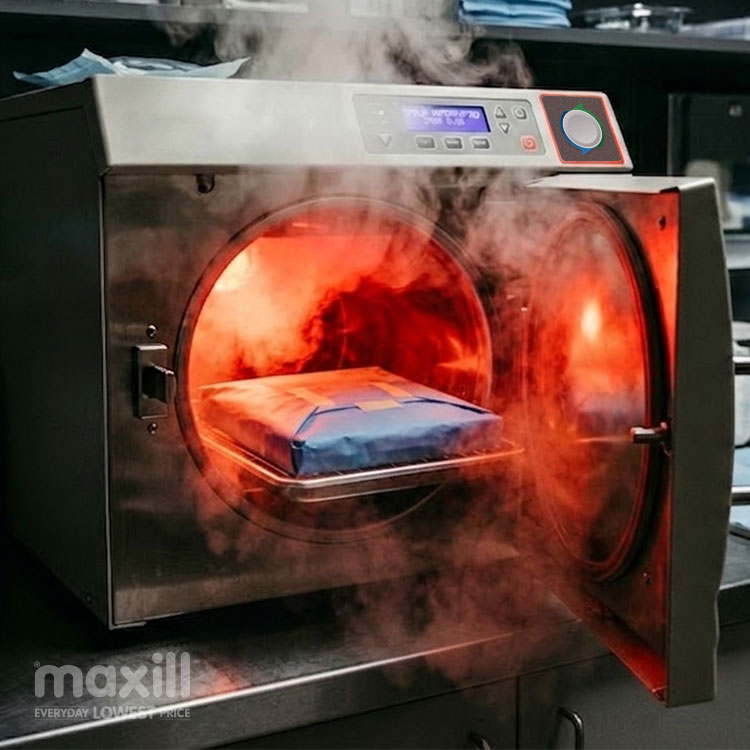
Sterilization wrap is a critical element to instrument reprocessing. When used correctly, it creates a critical barrier that protects sterile instruments from contamination until point of use. But what happens when your SMMS wrap starts melting in the autoclave? It’s more than frustrating, it’s a red flag. This guide walks you through common causes and solutions when your sterilization wrap doesn’t perform as expected.
Understanding the Material: What Is SMMS Wrap?
SMMS (Spunbond-Meltblown-Meltblown-Spunbond) is a four-layer nonwoven material commonly used in sterilization wrap. It's engineered to resist microbial penetration and mechanical wear while allowing steam to pass through during sterilization. When SMMS wrap melts, the problem usually isn’t the wrap itself, it’s the processing conditions.
Troubleshooting: Where Things Go Wrong
Here’s a practical breakdown of what to investigate if your SMMS wrap is melting or distorti
-
Posted: February 12, 2026
 Read more »
If you've ever paused mid-procedure and thought:
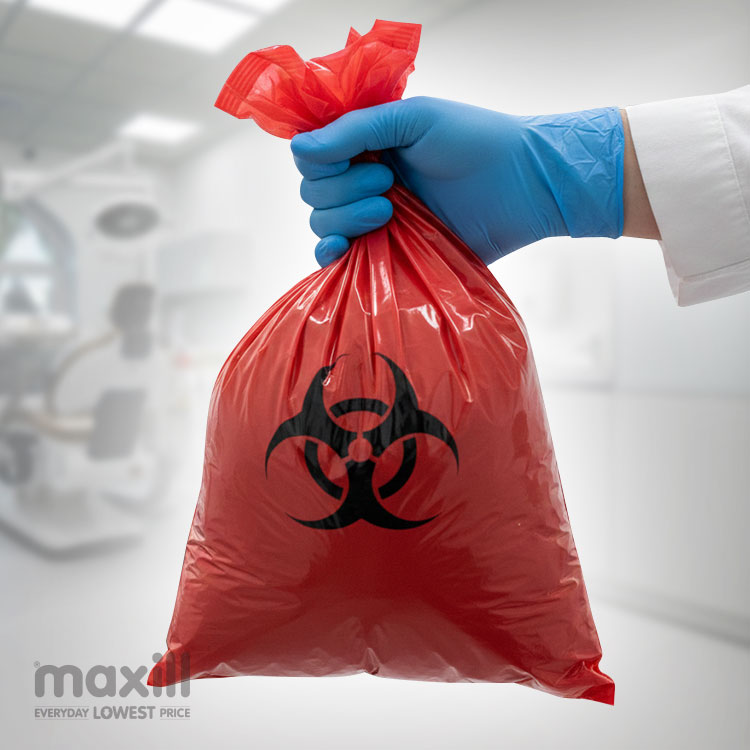
"This is literally a human body part... how is this NOT biohazard waste?" You're not alone. One of the most misunderstood areas in dental Infection Prevention and Control (IPAC) is biomedical waste classification, especially when it comes to extracted teeth. Let's clear it up.
First: What Is Biomedical Waste?
According to the Centre for Disease Control and dental regulatory bodies, biomedical waste is classified as hazardous waste and must:
- Be stored in colour-coded containers with the universal biohazard symbol
- Be released to an approved biomedical waste carrier
However, that does NOT include all waste.
Biomedical waste falls into two categories:
1. Anatomical Waste (Human Tissue)
This
-
Posted: January 15, 2026
 Read more »
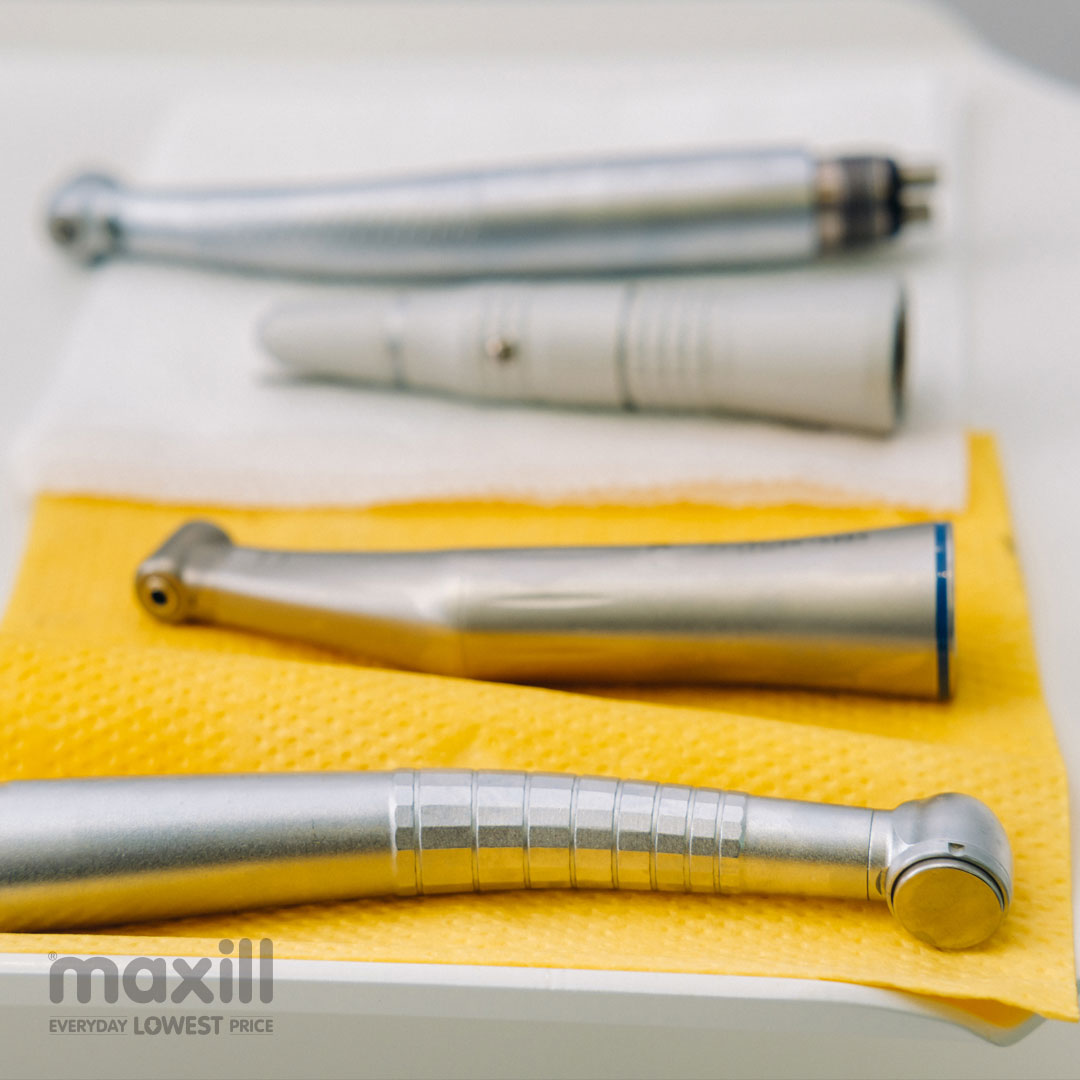
Where Should the Handpiece Docking Station Live: Cleaning or Packaging?
Short answer... the handpiece docking station (lubrication and flushing unit) belongs on the cleaning side (non-sterile / decontamination side), not the packaging side.
Long answer... see below... because this is where audits often get murky.
Framing the Discussion
Before discussing where a handpiece docking station should be located, it is worth pausing to ask a more specific question:
What actually comes after handpiece cleaning and lubrication?
It is easy to assume the answer is packaging.
But that assumption skips a critical step.Cleaning and lubrication do not mean a handpiece is ready to be packaged.
There is a required pause in the workflow: inspection.
Inspection is the moment where the handpiece is deliberately assessed to confirm that internal
-
Posted: January 15, 2026
 Read more »
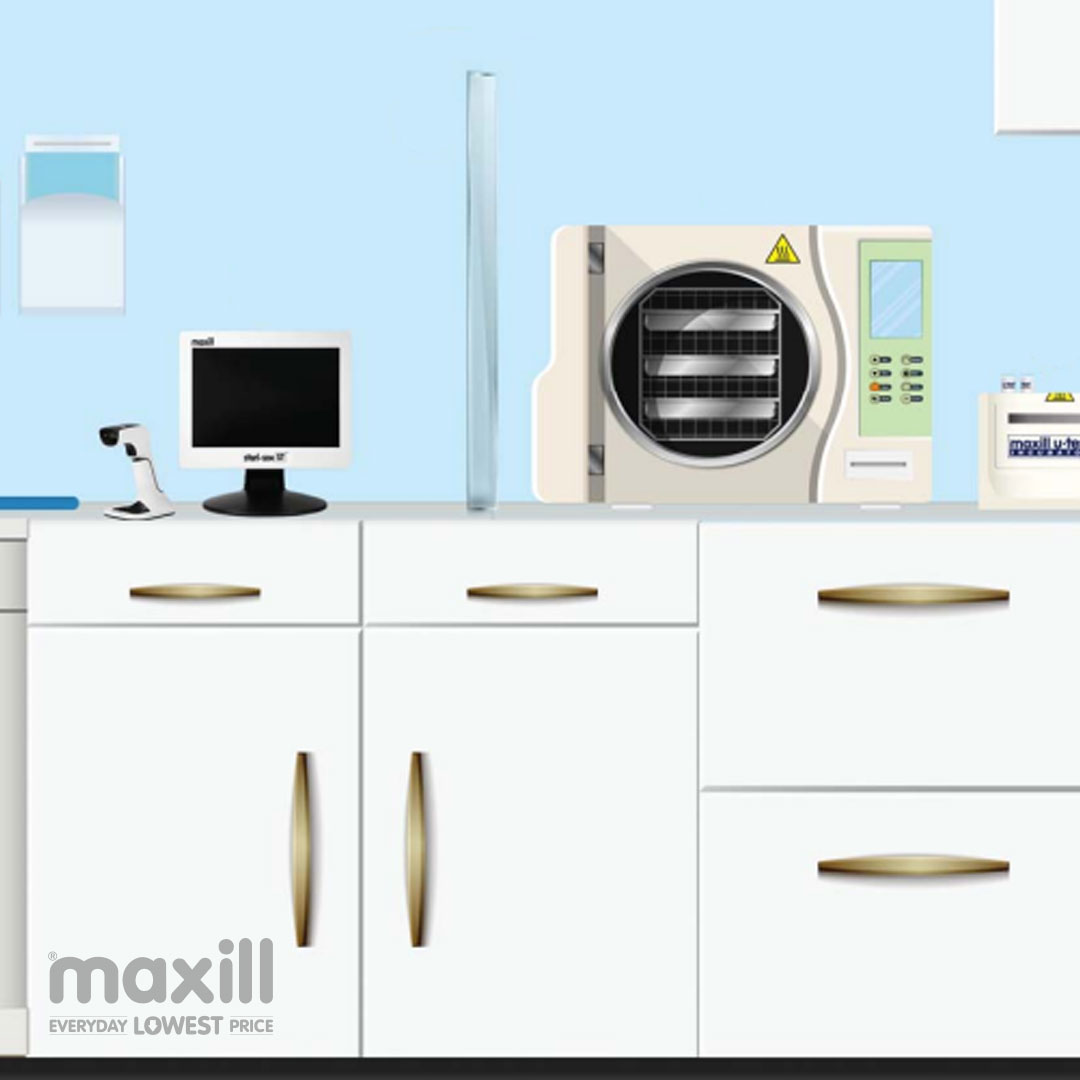
Instrument reprocessing in the dental office does not need to be complicated to be effective. In fact, the simplest workflows are often the safest, especially in today's dental landscape where reprocessing tasks may be performed by individuals without formal dental or infection prevention training.
At the centre of effective reprocessing is a clear, one-way workflow... moving instruments from non-sterile to sterile without confusion, crossover, or unnecessary handling.
Why Language Matters in the Reprocessing Area
During audits, reprocessing spaces are often described using terms such as:
- Decontamination area
- Clean area
- Sterile area
While
