

Burs and Sterilization: Why “Old Habits” No Longer Meet Today’s Standards
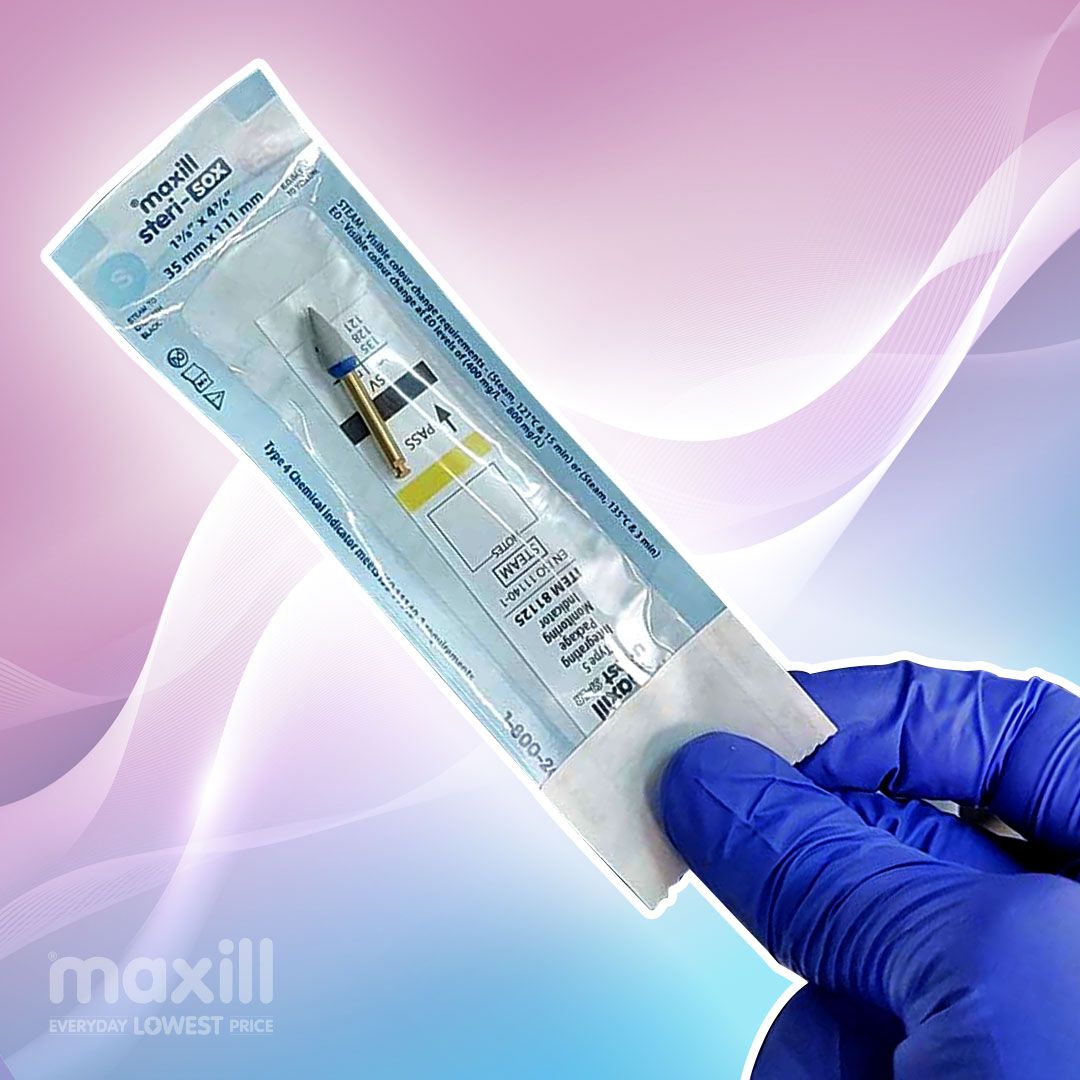
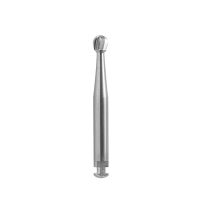
If you look closely at the Manufacturer's Instructions for Use (MIFU) that come with burs, the guidance is consistent: burs must be sterilized prior to use, unless you've purchased a brand that is individually packaged and pre-sterilized. Despite this, outdated habits still linger in many practices, habits that no longer align with today's infection prevention and control (IPAC) standards.
Proper Steps for Bur Reprocessing
To meet best practice and compliance requirements, burs should follow this reprocessing pathway:
- Unpack the burs upon arrival.
- Remove the protective plastic caps (these are for shipping protection only, not sterile barriers).
- Clean the burs according to your office's validated cleaning protocol (ultrasonic or washer-disinfector).
- Dry thoroughly.
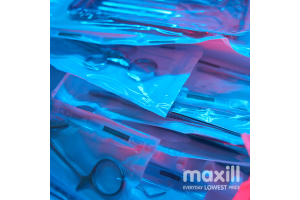
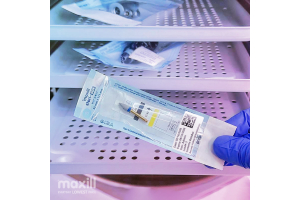
- Package each bur separately in a sterilization pouch.
- Sterilize in a validated sterilizer cycle.
- Keep the bur in its sterilization pouch until the point of use.
Following these steps ensures burs remain sterile until they are needed in treatment.
Bulk-Pack Burs Require Extra Attention
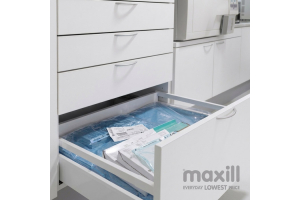
When offices order burs in bulk packs, each bur must still go through the full sterilization process. The burs cannot be placed in an operatory drawer and pulled out as needed. The bulk pack MIFU clearly states that each individual bur must be sterilized prior to use. Skipping this step not only violates the manufacturer's instructions but also places patients at unnecessary risk.
Outdated Storage Habits Don't Cut It
Some dental professionals may remember the old fishing tackle box style of bur storage — those compartmentalized organizers in drawers that kept burs "handy." While convenient, this method does not provide sterility.
This does not meet IPAC standards.
Burs cannot be stored loose in drawers, cabinets, or open blocks. Once a bur is sterilized, it must remain sealed in its pouch until the point of use.
The Role of Bur Blocks
Bur blocks often cause confusion, so let's be clear:
- Bur blocks need to be sterilized on their own.
- They are not an organization method for sterilization, but an organizational tool for tray set-up and retrieval.
- Items placed in a sterilizer cannot touch one another directly, as this prevents steam or chemical penetration. The exception is when a bur block has a silicone interface, which suspends the bur in place, similar to how instruments rest in a cassette on a silicone rack.
- If the bur block's MIFU states "disinfect only," it is not heat-tolerant and cannot be sterilized. This makes it a fomite, a potential source of pathogen transmission, and as such a heat-tolerant option should be selected.
From a Spaulding's Classification perspective, burs are critical items because they contact bone, mucosa, and blood. A bur block does not contact the client directly, so it falls into a non-critical category under Spaulding's system. However, since it holds contaminated burs, the risk elevates its importance. The safer approach is to treat bur blocks as semi-critical and sterilize them between uses.
Final Takeaway
Burs are critical instruments and must be sterilized prior to every use. They should be cleaned, dried, individually packaged, and kept sealed until point of use. Bur blocks must also be sterilized independently, but they serve only as organizational tools for tray set-up, not as a sterilization or storage method. Drawer organizers and tackle box storage methods with loose, unpacked burs are habits of the past.
So, the next time you see a tackle box in an operatory drawer, just remember; keep it for fishing, not for burs.

Michelle Aubé (Simmonds) RDH, maxill Dental Hygiene Educator
Michelle is a Dental Hygiene Speaker, Consultant and Educator with over 30 years of experience as a RDH and 4 years as a CDA. She is a professor and curriculum writer at Fanshawe College in both the dental hygiene and continuing education program sharing her knowledge in IPAC, professional practice, periodontal classification, social justice, advocacy and clinical applications. She is maxill's CE and IPAC Director and wears various IPAC hats including auditing federal correctional facilities dental clinics for IPAC standards. Michelle is ODHA's Regional Board Director and authors articles for CDHA's OH Canada professional publication and continues to practice clinically in London ON. She is a CDHO IPAC Remedial Facilitator and IPAC Expert Opinion. Her strong ethics has allowed her to serve on the Discipline Committee at Algonquin College and hold the position of a CDHO Quality Assurance Assessor for 7 years. As a lifelong learner she is completing a BA in Adult Education at Brock University. Her diverse dental background and current status as a practicing RDH offer a fulsome and realistic view of dental-related topics. As a passionate champion for the profession, she advocates for equity, professional autonomy, and systemic change, true grassroots leadership at its finest.
Michelle can be reached at [email protected]
Thanks for reading our latest blog article! If you've got a topic you'd like to see us tackle next, please submit your suggestion to our blog writing team of dental professionals at [email protected].