

When SMMS Wrap Melts: A Troubleshooting Guide for Dental Offices
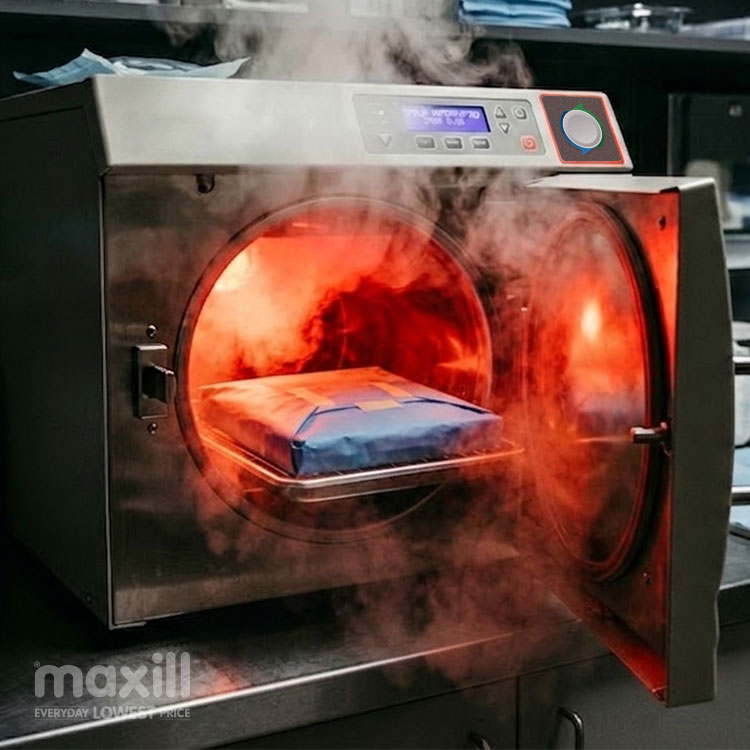
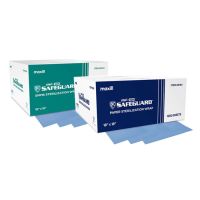
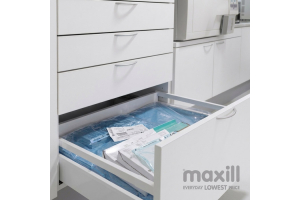
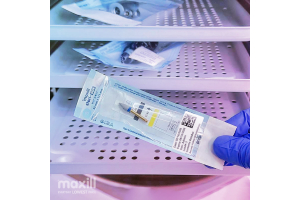
Sterilization wrap is a critical element to instrument reprocessing. When used correctly, it creates a critical barrier that protects sterile instruments from contamination until point of use. But what happens when your SMMS wrap starts melting in the autoclave? It’s more than frustrating, it’s a red flag. This guide walks you through common causes and solutions when your sterilization wrap doesn’t perform as expected.
Understanding the Material: What Is SMMS Wrap?
SMMS (Spunbond-Meltblown-Meltblown-Spunbond) is a four-layer nonwoven material commonly used in sterilization wrap. It's engineered to resist microbial penetration and mechanical wear while allowing steam to pass through during sterilization. When SMMS wrap melts, the problem usually isn’t the wrap itself, it’s the processing conditions.
Troubleshooting: Where Things Go Wrong
Here’s a practical breakdown of what to investigate if your SMMS wrap is melting or distorting:
Step 1: Cycle Settings
Is the autoclave set to “Pouches” or “Packs”? For wrapped cassettes and pouched items, use the Pouches cycle. Packs is ideal for textiles.
Step 2: Temperature & Timing
Are temperatures exceeding 135°C (275°F)? Are cassettes parked inside a hot chamber while waiting for a full load? Is the sterilizer running back-to-back with no rest?
Step 3: Load Placement
Is the wrap touching the heating element or chamber walls?
Step 4: Overloading
Is there space for steam to circulate? Is the wrap method (horizontal vs. vertical) reducing exposure to even heating?
Step 5: Moisture and Drying
Are instruments fully dried after ultrasonic cleaning? Is the wrap too tight, causing trapped moisture? 'Pat dry' is not enough, items must be completely dry.
Step 6: Autoclave Calibration
Has the unit been recently serviced or validated? Faulty sensors or thermostats can silently cause over-temp issues.
Quick Reference: Troubleshooting Table
| Issue | What to Check | Solution |
|---|---|---|
| Temperature too high | Confirm cycle settings | Use 'Pouches' cycle (121–134°C) |
| Wrap too close to heat source | Load positioning | Avoid contact with chamber walls or element |
| Wet instruments or cassettes | Are items dried post-ultrasonic? | Ensure full drying – 'pat dry' isn't enough |
| Running cycles back-to-back | No rest between loads? | Allow cooling between runs |
| Instruments parked in hot chamber | Waiting for load completion? | Avoid preloading and overheating |
| Steam penetration blocked | Overloading or incorrect wrap orientation | Allow space, adjust wrapping method |
| Autoclave malfunction | Calibration/sensor drift | Schedule servicing and validation |

Michelle Aubé (Simmonds) RDH, maxill Dental Hygiene Educator
Michelle is a Dental Hygiene Speaker, Consultant and Educator with over 30 years of experience as a RDH and 4 years as a CDA. She is a professor and curriculum writer at Fanshawe College in both the dental hygiene and continuing education program sharing her knowledge in IPAC, professional practice, periodontal classification, social justice, advocacy and clinical applications. She is maxill's CE and IPAC Director and wears various IPAC hats including auditing federal correctional facilities dental clinics for IPAC standards. Michelle is ODHA's Regional Board Director and authors articles for CDHA's OH Canada professional publication and continues to practice clinically in London ON. She is a CDHO IPAC Remedial Facilitator and IPAC Expert Opinion. Her strong ethics has allowed her to serve on the Discipline Committee at Algonquin College and hold the position of a CDHO Quality Assurance Assessor for 7 years. As a lifelong learner she is completing a BA in Adult Education at Brock University. Her diverse dental background and current status as a practicing RDH offer a fulsome and realistic view of dental-related topics. As a passionate champion for the profession, she advocates for equity, professional autonomy, and systemic change, true grassroots leadership at its finest.
Michelle can be reached at [email protected]
Thanks for reading our latest blog article! If you've got a topic you'd like to see us tackle next, please submit your suggestion to our blog writing team of dental professionals at [email protected].