
Monthly Archives: October 2026
-
October 23, 2026
SilverSense SDF is a 38% silver diamine fluoride solution used professionally to help arrest caries and manage dentinal sensitivity. It is supplied in a 5 mL dropper bottle, with approximately 0.03 mL per drop.
Once the client and lesion have been assessed and SDF has been selected, the application itself is straightforward.
1. Isolate, Clean and Dry
Isolate the affected tooth, then clean and dry the treatment surface.
Remove accessible plaque and debris so the lesion is visible and the site can be adequately dried.
Cotton rolls or rubber dam may be used for isolation, and the IFU also notes that petroleum jelly or cocoa butter may be used to help protect gingival tissues.
2. Dispense
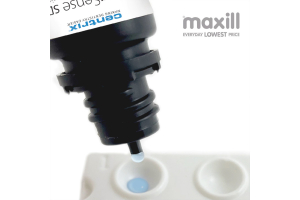
Dispense 1–2 drops into a disposable Dappen dish.
Each drop contains approximately 0.03 mL, and this amount may treat up to 5 sites per client.
SilverSense has a blue tint to improve visibility i
-
October 21, 2026
The caries risk assessment is complete. The lesion has been assessed. The indications point to SDF as an appropriate treatment option.
Now it is time to set up.
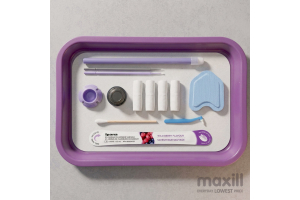
SDF application itself is simple, but the armamentarium around it matters. A thoughtful setup helps the clinician control the material, maintain a dry field, improve visibility and reduce the risk of unintended contact or staining.
The broader clinical workflow remains:
SCREEN. DISPENSE. ISOLATE. APPLY. PROTECT.
But once SCREEN is complete, the chairside setup begins with gathering the right armamentarium.
Start With the Setup Surface
Before dispensing SDF, think about what is sitting between the material and the operatory counter. SilverSense SDF can stain countertops, floors, instruments, clothing and skin brown or black. The Canadian Instructions for Use specifically caution clinicians to avoid spills and
-
October 19, 2026
Silver diamine fluoride (SDF) is an effective, minimally invasive option for managing active carious lesions. It is simple to apply, requires relatively little chairside time, and can be especially valuable when conventional restorative care is difficult, delayed or not immediately feasible. Evidence-based clinical guidance supports 38% SDF as a nonrestorative treatment option for appropriate carious lesions. (Slayton et al., 2018)
Yet SDF still appears to be under-integrated into routine clinical care.
The bigger question may no longer be:
“Does SDF work?”
It may be:
“Are we identifying the right clients for it?”
That is why SDF should begin with caries risk assessment — not with the bottle.
SCREEN. DISPENSE. ISOLATE. APPLY. PROTECT.