

SilverSense SDF: A Chairside Application Guide
SilverSense SDF is a 38% silver diamine fluoride solution used professionally to help arrest caries and manage dentinal sensitivity. It is supplied in a 5 mL dropper bottle, with approximately 0.03 mL per drop.
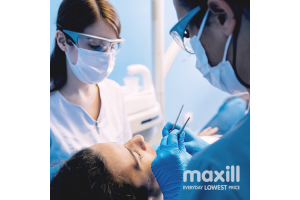
Once the client and lesion have been assessed and SDF has been selected, the application itself is straightforward.
1. Isolate, Clean and Dry
Isolate the affected tooth, then clean and dry the treatment surface.
Remove accessible plaque and debris so the lesion is visible and the site can be adequately dried.
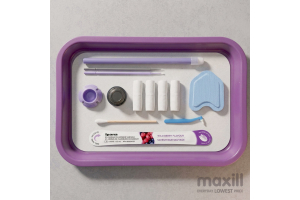
Cotton rolls or rubber dam may be used for isolation, and the IFU also notes that petroleum jelly or cocoa butter may be used to help protect gingival tissues.
2. Dispense
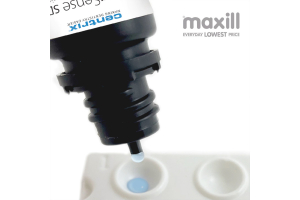
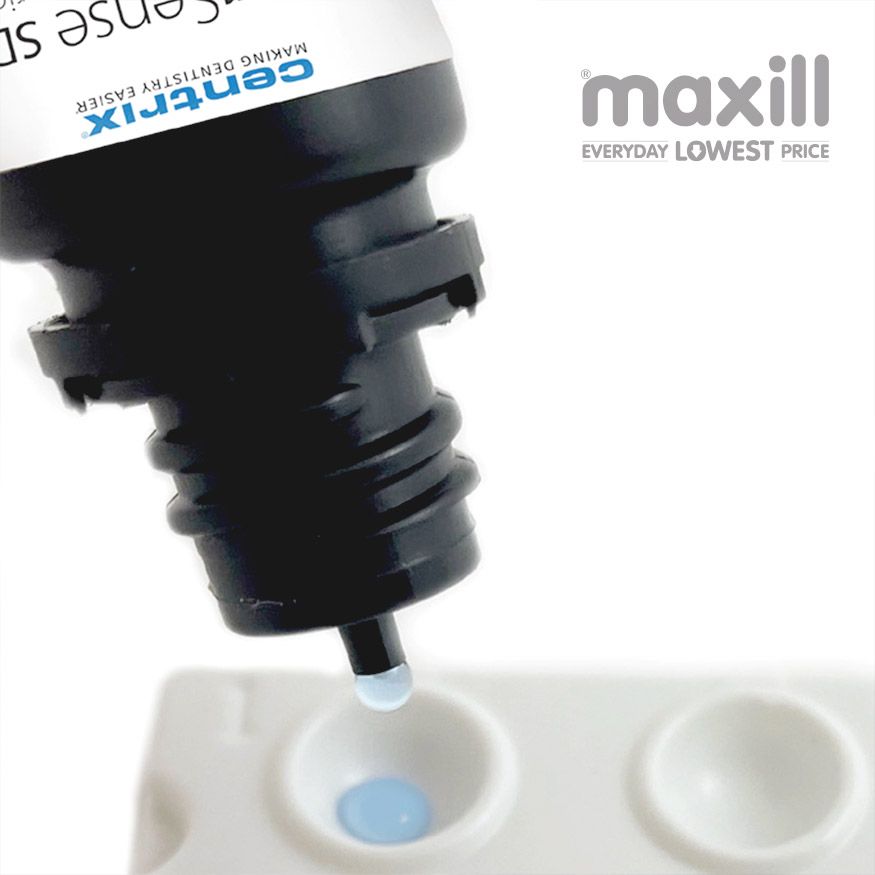
Dispense 1–2 drops into a disposable Dappen dish.
Each drop contains approximately 0.03 mL, and this amount may treat up to 5 sites per client.
SilverSense has a blue tint to improve visibility in the Dappen dish.
3. Apply
Transfer SilverSense directly to the affected tooth surface using a micro-applicator.
Controlled placement is important because only a small amount is required and contact with gingiva, mucosa and adjacent surfaces should be minimized.
4. Air Dry
Allow SilverSense SDF to air dry for 60 seconds.
Do not rinse.
The sell sheet also directs removal of excess material with a cotton pellet after drying.
5. Reapply if Needed
SilverSense does not automatically require multiple applications.
The IFU states that, if needed, one or two reapplications may be completed at one-week intervals.
The treated lesion should be reassessed as part of the client's ongoing caries-management plan.
Does Fluoride Varnish Need to Be Applied Over SDF?
No. The SilverSense application directions do not require fluoride varnish to be placed over or used to “seal” the SDF. The application sequence is:
Apply → air dry 60 seconds → do not rinse
Fluoride varnish may still be appropriate as part of the client's broader risk-based preventive plan, but it is a separate clinical decision, not a required SilverSense application step.
What Should the Client Know?
Treated carious lesions may permanently darken to dark brown or black.
SilverSense does not normally stain enamel or burnished dentin, although soft dentin and composite restoration margins may stain.
Clients should also be instructed to avoid eating or drinking for 30–60 minutes after treatment.
SilverSense SDF at a Glance
| Clinical Detail | SilverSense SDF |
| Concentration | 38% Silver Diamine Fluoride |
| Bottle | 5 mL dropper bottle |
| Age | Adults and children 3 years and older |
| Dose | 1–2 drops per client |
| Volume per drop | 0.03 mL |
| Sites | Up to 5 sites per client |
| Dispense into | Disposable Dappen dish |
| Application | Directly to affected tooth surface |
| Drying | Air dry for 60 seconds |
| Rinse? | No |
| Reapplication | If needed, 1–2 reapplications at one-week intervals |
| Fluoride varnish required over SDF? | No |
| Eating / drinking | Avoid for 30–60 minutes after treatment |
| Visible characteristic | Blue tint for improved visibility |
| Expected lesion change | Treated carious lesion may permanently darken |
Simple. Controlled. Intentional.
SilverSense SDF application is straightforward and a critical part of any dental professional’s caries risk management program.

Michelle Aubé (Simmonds) RDH, maxill Dental Hygiene Educator
Michelle is a Dental Hygiene Speaker, Consultant and Educator with over 30 years of experience as a RDH and 4 years as a CDA. She is a professor and curriculum writer at Fanshawe College in both the dental hygiene and continuing education program sharing her knowledge in IPAC, professional practice, periodontal classification, social justice, advocacy and clinical applications. She is maxill's CE and IPAC Director and wears various IPAC hats including auditing federal correctional facilities dental clinics for IPAC standards. Michelle is ODHA's Regional Board Director and authors articles for CDHA's OH Canada professional publication and continues to practice clinically in London ON. She is a CDHO IPAC Remedial Facilitator and IPAC Expert Opinion. Her strong ethics has allowed her to serve on the Discipline Committee at Algonquin College and hold the position of a CDHO Quality Assurance Assessor for 7 years. As a lifelong learner she is completing a BA in Adult Education at Brock University. Her diverse dental background and current status as a practicing RDH offer a fulsome and realistic view of dental-related topics. As a passionate champion for the profession, she advocates for equity, professional autonomy, and systemic change, true grassroots leadership at its finest.
Michelle can be reached at [email protected]
Thanks for reading our latest blog article! If you've got a topic you'd like to see us tackle next, please submit your suggestion to our blog writing team of dental professionals at [email protected].