

Sterilization
-
August 26, 2026
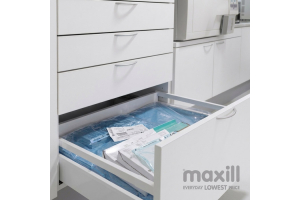
If you’ve ever walked into a sterilization area or supply room and noticed sterile instruments stored in the lowest drawer, bottom cabinet, or on a shelf near the floor, you’re not alone. This is one of the most common “it seems fine” storage habits in dental settings, especially when space is tight.
But here’s the truth… storing sterile instruments at ground level increases risk, even if the instruments are wrapped, even if they’re in a closed drawer, and even if they “aren’t technically touching the floor.” This isn’t just a rule for the sake of rules. It’s a practical, evidence-based risk reduction control that protects sterility, improves workflow, and reduces avoidable reprocessing. Let’s break it down.
The Simple Truth: The Floor Zone Is the Highest-Risk Zone
In every healthcare environment, including dental operatories and sterilization rooms, the floor is where contamination accumulates. That’s because the floor is constantly exposed to:
-
July 29, 2026
Quarantining instruments after sterilization is an important safeguard in dental practice. Holding instruments until sterilization monitoring results are available, especially biological indicator results, helps prevent the premature release of a failed load.
However, quarantine on its own is not an instrument traceability system. It is one part of a larger system.
Quarantine answers one question: Can this sterilization load be released?
Traceability answers a broader and more defensible question:
Can we prove which instruments were used, on which patient, from which sterilizer and load?
That distinction matters.
Quarantine Is a Release-Control Step
Quarantine is a holding process. It keeps instruments