










Home Page














Lab Tested
tb Minuteman NEX GEN Disinfectant Wipes demonstrate a 1-minute kill time against COVID-19.
Learn More
COVID Resources
Visit our COVID Resource page for a collection of resources to help navigate new regulations.
Learn More
OEM and Private Label Manufacturing
Need large volumes, OEM or private label manufacturing? We've got you covered.
Learn More
Recent Blog Posts
-
Posted: June 17, 2026
 Read more »
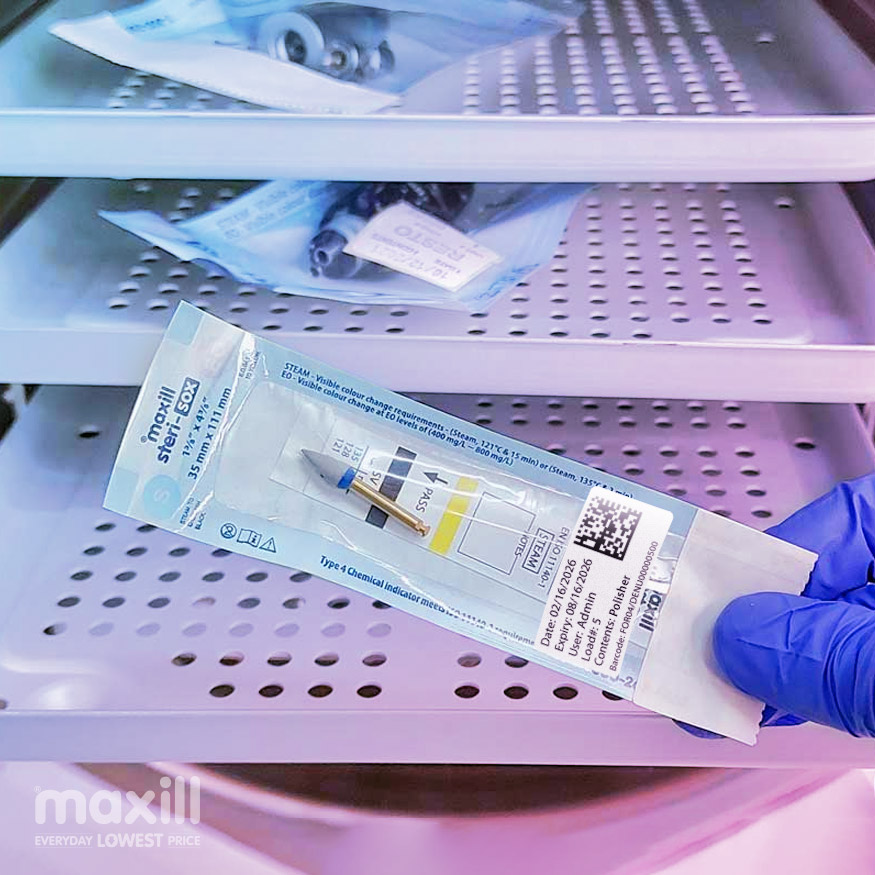
Instrument reprocessing is intended to follow a linear, one-way workflow. The process moves from contaminated to clean, then inspected, packaged, labelled, sterilized, cooled, inspected again, and stored. Each step prepares the item for the next step, and the workflow should not move backward once the item has progressed forward.
For this reason, labelling belongs before sterilization. The label is part of packaging and load preparation. It connects the package to the sterilization record, including the date processed, sterilizer used, load or cycle information, and the individual responsible for packaging. Once the package has been sterilized, the focus is no longer to “work on” the package; it is to protect the sterile barrier, allow the package to cool, inspect it, and store it appropriately.
The expected workflow is:
-
Posted: June 02, 2026
 Read more »
I started using the term ‘Learning Dodger’ a few years ago when I began to notice a pattern among some dental professionals. They weren’t disengaged entirely, and they weren’t necessarily poor clinicians, but something was missing. They avoided growth opportunities, skipped over new ideas, and resisted updating their knowledge. I didn’t know what to call it at first, but the phrase dodging learning seemed to fit.
It’s also a concept I wrestle with personally. As someone currently completing a BA in Adult Education, I can’t get enough of learning, I’m always looking forward to my next “educational fix.” For me, growth feels energizing, not exhausting. So when I encounter professionals dodging learning, I find myself both curious and concerned. Why would someone resist something that fuels so much professional pride and purpose?
Dentistry and dental hygiene are professions rooted in science, technology, and evidence-based care. From infection prevention to new p
-
Posted: May 13, 2026
 Read more »
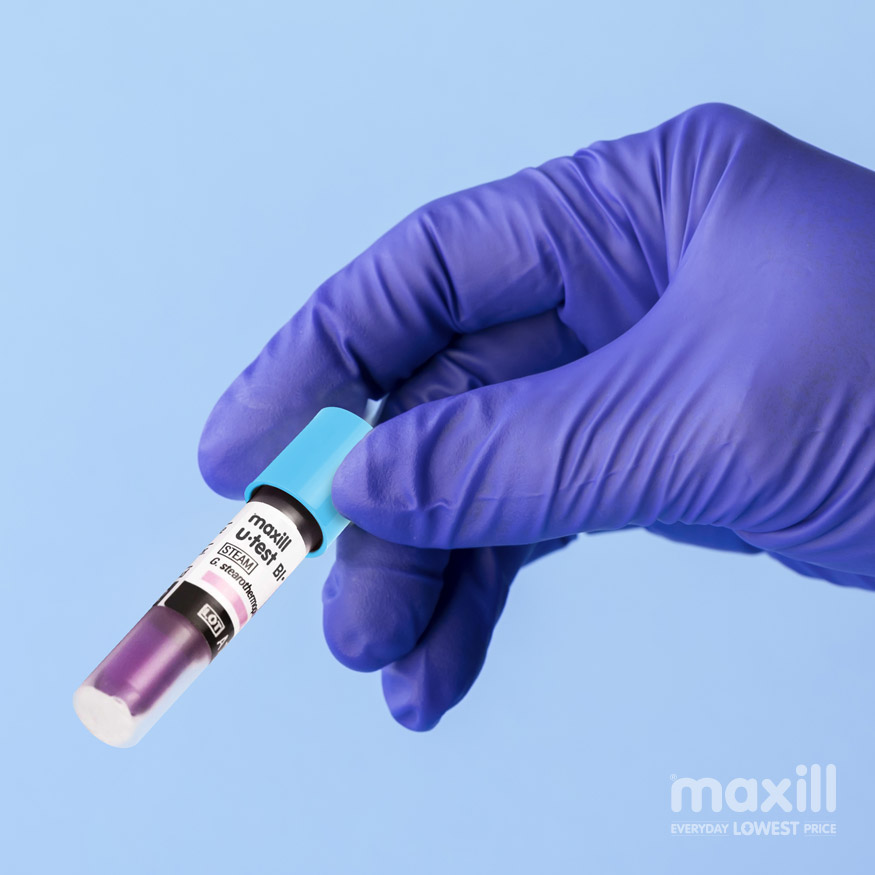
In the world of dental sterilization assurance, biological indicators (BIs) are the most reliable method of verifying whether a sterilizer is functioning effectively. These indicators test the true effectiveness of a sterilization cycle by challenging it with highly resistant bacterial spores. But what happens when it's not the test BI that fails, but the control BI?
While a failed test BI raises red flags for a potential sterilization breach, a failed control BI introduces an entirely different set of concerns. This article breaks down what a control BI is, what its failure means, and the exact steps your office should take to investigate and correct the issue.
What is a Control BI?
A Control BI is a self-contained biological indicator that is not exposed to the sterilization process. Its job is to serve as a positive control to prove that the spores
-
Posted: April 29, 2026
 Read more »
When it comes to infection control in dental settings, the science behind your sterilization materials matters. One of the most advanced and trusted materials in the field is SMMS, short for Spunbond-Meltblown-Meltblown-Spunbond. This multi-layered nonwoven fabric plays a critical role in keeping sterilized instruments safe until use.
So, what exactly is SMMS, and why does it outperform traditional single-ply wraps?
SMMS: A Four-Layer Engineered Barrier
SMMS is a composite structure made of:
- Two outer spunbond layers
- Two inner meltblown layers
Each layer serves a distinct and essential purpose:
- Spunbond Layers (Outer