







Home Page











Lab Tested
tb Minuteman NEX GEN Disinfectant Wipes demonstrate a 1-minute kill time against COVID-19.
Learn More
COVID Resources
Visit our COVID Resource page for a collection of resources to help navigate new regulations.
Learn More
OEM and Private Label Manufacturing
Need large volumes, OEM or private label manufacturing? We've got you covered.
Learn More
Recent Blog Posts
-
Posted: July 15, 2026
 Read more »
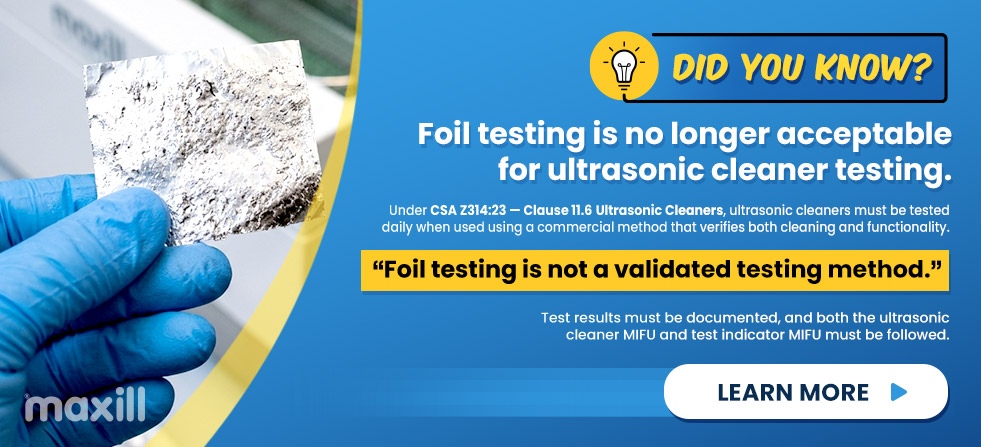
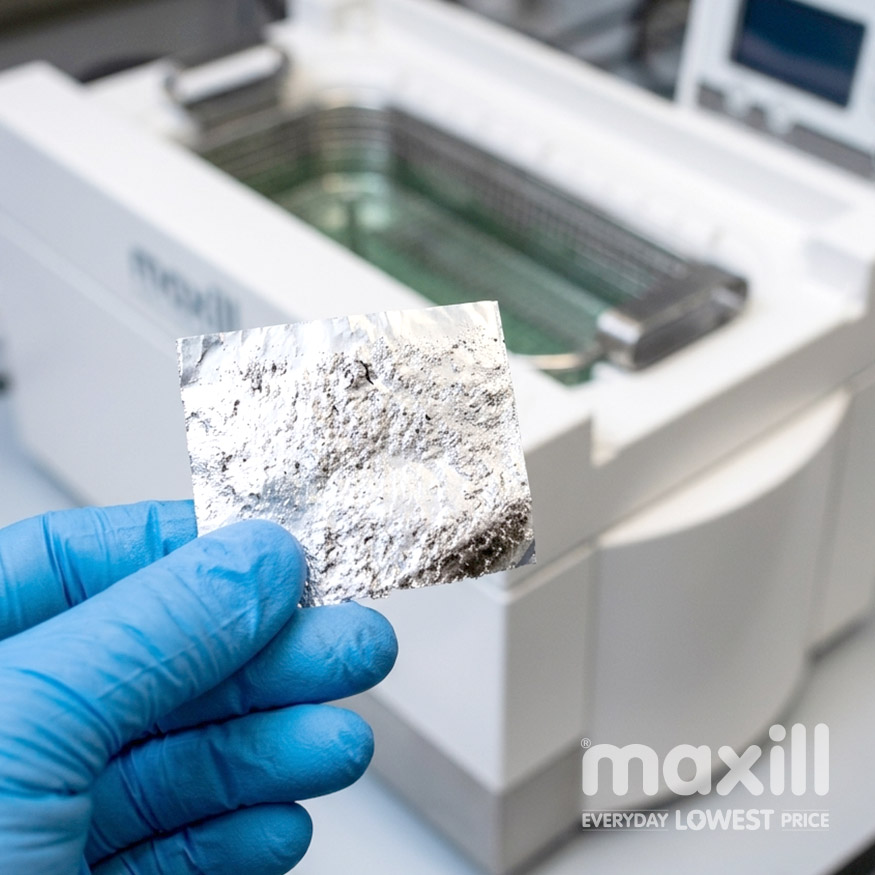
For many years, dental offices have used the foil test as a simple way to check whether an ultrasonic bath was producing cavitation. The process was familiar: place a piece of foil into the ultrasonic cleaner, run the cycle, and look for pitting, marks, or perforations in the foil as a sign that the unit was functioning.
However, current Canadian reprocessing standards have moved beyond this method.
As outlined in CAN/CSA-Z314:23, Canadian Medical Device Reprocessing in All Healthcare Settings, under Clause 11: Decontamination of reusable medical devices, ultrasonic cleaners shall be tested using commercial methods that verify cleaning and functionality daily when the ultrasonic cleaner is used. The standard also notes that foil testing is not a validated testing method.
-
Posted: July 01, 2026
 Read more »
Running a dental practice takes more than strong clinical skills, it requires effective communication. From the front desk to the operatory, the way we talk with each other can either build trust and efficiency or create unnecessary tension. One communication style that empowers both leaders and team members is solution-based communication.
What is Solution-Based Communication?
Solution-based communication is a way of speaking and listening that focuses on outcomes and collaboration, rather than blame or dwelling on problems. Instead of pointing fingers or getting stuck on what went wrong, the conversation turns toward what can be done to improve the situation.
Think of it as shifting from:
“Why did this go wrong?”
to
“How can we make this work better next time?”Why It Matters in a Dental Office
Dental teams are unique: hygienists, assistants, dentists, and administrators
-
Posted: June 17, 2026
 Read more »
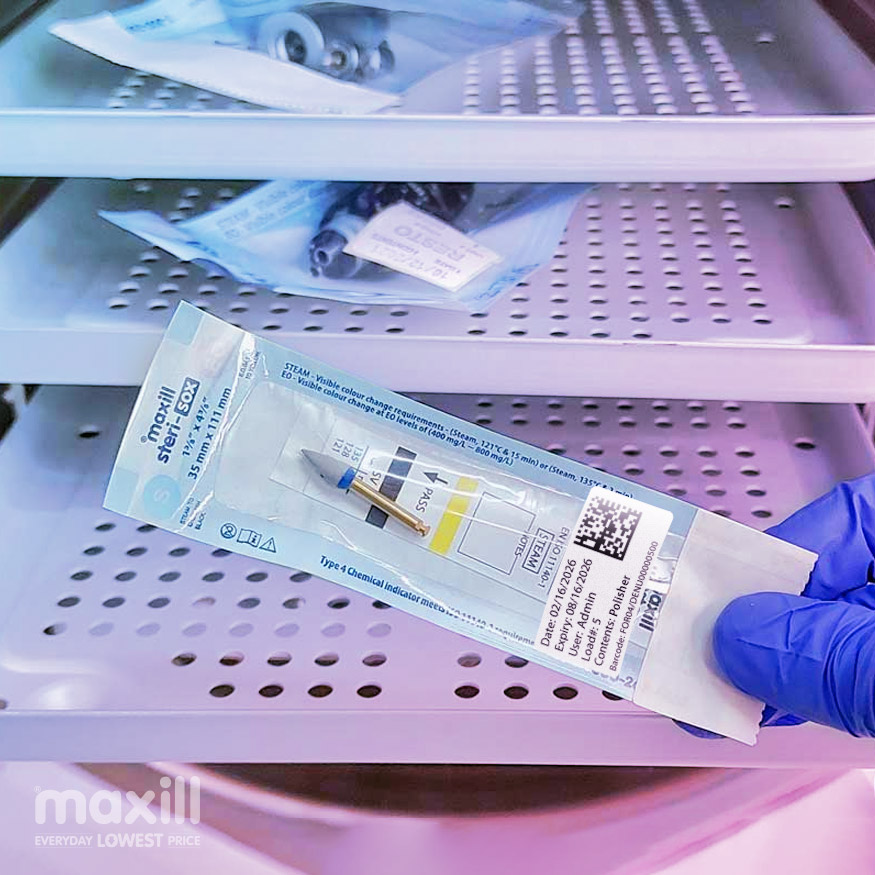
Instrument reprocessing is intended to follow a linear, one-way workflow. The process moves from contaminated to clean, then inspected, packaged, labelled, sterilized, cooled, inspected again, and stored. Each step prepares the item for the next step, and the workflow should not move backward once the item has progressed forward.
For this reason, labelling belongs before sterilization. The label is part of packaging and load preparation. It connects the package to the sterilization record, including the date processed, sterilizer used, load or cycle information, and the individual responsible for packaging. Once the package has been sterilized, the focus is no longer to “work on” the package; it is to protect the sterile barrier, allow the package to cool, inspect it, and store it appropriately.
The expected workflow is:
-
Posted: June 02, 2026
 Read more »
I started using the term ‘Learning Dodger’ a few years ago when I began to notice a pattern among some dental professionals. They weren’t disengaged entirely, and they weren’t necessarily poor clinicians, but something was missing. They avoided growth opportunities, skipped over new ideas, and resisted updating their knowledge. I didn’t know what to call it at first, but the phrase dodging learning seemed to fit.
It’s also a concept I wrestle with personally. As someone currently completing a BA in Adult Education, I can’t get enough of learning, I’m always looking forward to my next “educational fix.” For me, growth feels energizing, not exhausting. So when I encounter professionals dodging learning, I find myself both curious and concerned. Why would someone resist something that fuels so much professional pride and purpose?
Dentistry and dental hygiene are professions rooted in science, technology, and evidence-based care. From infection prevention to new p