

Radiography/X-ray
-
September 09, 2026
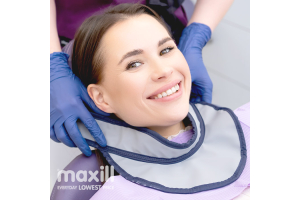
In 2022, Health Canada updated its recommendations for radiation protection in dentistry through Safety Code 30. One of the notable changes pertains to the use of lead aprons during dental X-ray procedures. While lead aprons have traditionally been a standard protective measure, the new guidelines suggest that their use is optional in certain scenarios. However, the use of thyroid collars remains a critical requirement. This article delves into the rationale behind these changes, the decision-making authority regarding protective measures, and the importance of individualized client care in dental radiography.
Lead Aprons: Optional Use in Routine Dental X-rays
According to the revised Safety Code 30, the routine use of lead aprons for clients during standard dental X-ray procedures is no longer deemed necessary, provided that all other recommendations for
-
June 27, 2025
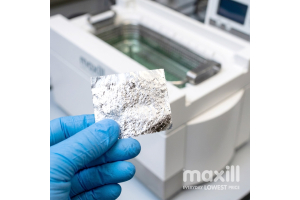
In today’s high-tech dental world, quality assurance (QA) often brings to mind automated sensors and software calibration. But there's one old-school, low-tech tool that remains just as essential as ever: the step wedge. Health Canada’s Safety Code 30 and best practice guidelines still recommend regular use of this tool to ensure your dental radiography systems are functioning correctly (Health Canada, 2022). If your practice is overlooking step wedge testing, or not logging it properly, you may be putting diagnostic accuracy and patient safety at risk.
What Is a Step Wedge Test?
A step wedge is a radiographic quality control tool made of graduated thicknesses of aluminum. When exposed to X-rays, it produces a pattern of varying density levels on the image. This test helps evaluate the consistency of image quality and monitor changes in exposure, sensor calibration, or processing systems (for fil