

Is an Annual IPAC Assessment of Your Instrument Reprocessing a MUST?
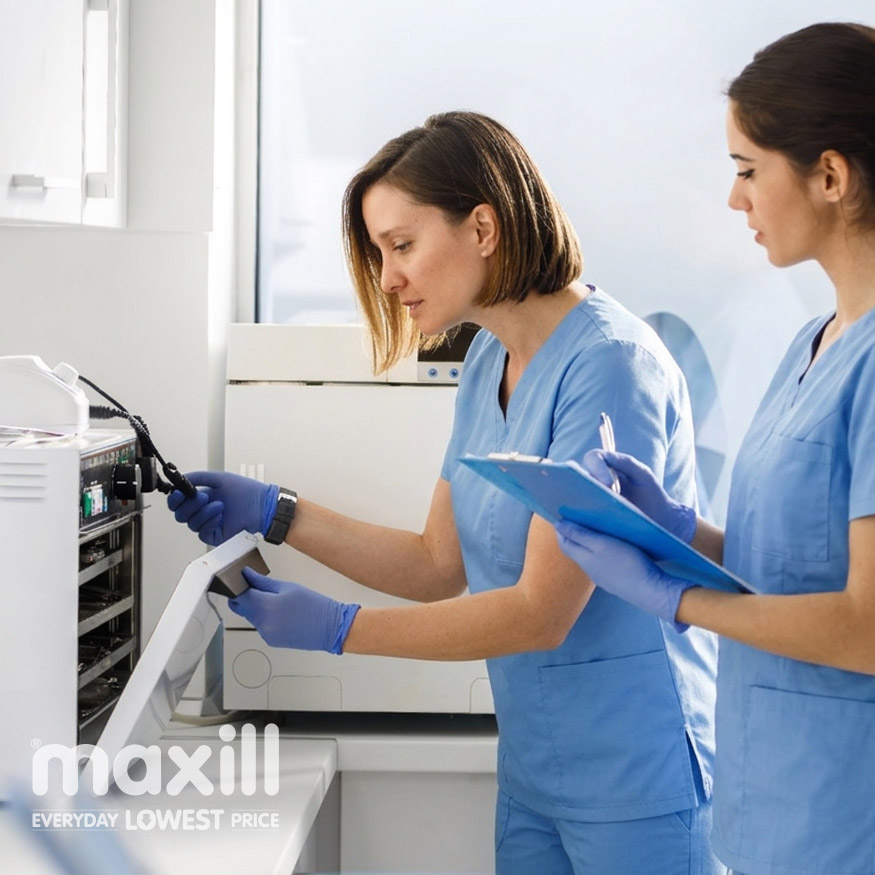
Most dental practices have established infection prevention and control (IPAC) protocols. Instruments are cleaned, sterilizers are monitored, biological indicators are processed, and records are maintained. But here's a question worth asking: When was the last time your practice formally evaluated its instrument reprocessing procedures and documented the findings?
There is an important difference between performing routine IPAC activities and evaluating whether your reprocessing system is functioning as intended. This is where the Canadian Standards Association (CSA) comes into the conversation.
What Does the 2023 CSA Standard Say?
In 2023, CSA published CSA Z314:23 – Canadian Medical Device Reprocessing in All Health Care Settings, a standard encompassing healthcare environments where reusable medical devices are reprocessed, including dental practices.
Under Clause 5 – Quality Management Systems, the standard establishes expectations for evaluating and continually improving medical device reprocessing (MDR) processes. One particularly important requirement states that a review or audit of MDR quality processes SHALL be performed AND documented, as defined in the organization's Quality Management System (QMS) policy, at a minimum annually.
Four words deserve attention: performed, documented, annually and SHALL!
Having written protocols and completing daily sterilization monitoring are essential, but they do not replace a documented evaluation of the overall reprocessing process.
What Does an MDR Self-Audit Involve?
An MDR self-audit is a structured evaluation of a practice's reprocessing procedures, documentation and daily activities against established standards, regulatory expectations and manufacturers' instructions for use (MIFUs).
This involves looking beyond sterilizer monitoring to examine the entire reprocessing workflow, including instrument transportation, cleaning, inspection, packaging, sterilization and storage. It also considers equipment maintenance, quality assurance records, one-way workflow, staff competency and whether established policies and procedures are consistently followed.
While biological indicators, chemical indicators and physical monitoring verify specific aspects of sterilization performance, an audit evaluates the bigger picture.
For example, a sterilizer may consistently pass its monitoring tests, but are instruments being cleaned and inspected correctly before packaging? Are staff following appropriate loading procedures? Is preventive maintenance documented? Are MIFUs readily available and being followed?
Passing a sterilization test does not automatically confirm that every step of the reprocessing workflow meets established requirements.
Could You Be Asked to Produce Your Last Reprocessing Audit During an Inspection?
Yes. During a regulatory assessment or public health IPAC inspection, your practice could be asked to provide documentation demonstrating how its reprocessing processes have been evaluated. Consider being asked: "Can you show me the documented results of your most recent reprocessing audit, including any deficiencies identified and the corrective actions taken?"
Would your practice be able to produce that documentation?
Clause 5 establishes that MDR quality process reviews or audits are to be both performed and documented. It also addresses communicating findings, corrective actions and implementation plans to senior management.
Sterilization records, biological indicator results and equipment maintenance logs are essential, but they do not necessarily demonstrate that a structured evaluation of the overall reprocessing system has occurred. A documented audit provides evidence of what was assessed, what was discovered and how the practice responded. When deficiencies are identified, corrective actions should be established and followed up to determine whether improvements have been effective. The objective is not simply to complete a checklist, but to demonstrate that concerns have been addressed and improvements sustained.
Internal vs. External Audits: The Value of a Fresh Set of Eyes
An internal assessment may be completed by appropriately knowledgeable and competent personnel. However, there is considerable value in having an independent professional evaluate your IPAC practices.
Sometimes the greatest risks are the ones we no longer recognize because we see them every day.
Over time, practices develop routines. Staff become comfortable with familiar workflows, equipment arrangements and established procedures. What began as a temporary workaround may gradually become accepted practice. This does not mean staff are careless or that patient safety is being disregarded. Familiarity can simply make it more difficult to recognize practices that may no longer align with current standards or manufacturers' instructions.
An external IPAC consultant brings a fresh, objective perspective, without the same workplace routines, internal assumptions or familiarity that can influence how a practice evaluates itself. An independent assessment may identify overlooked deficiencies, challenge practices that have become normalized and uncover opportunities for improvement that the internal team may not have recognized.
Importantly, the purpose of an external audit is not to find fault. It is to recognize what the practice is doing well, identify areas where improvements can strengthen patient and staff safety, and provide practical, evidence-informed recommendations for moving forward.
Internal and external assessments can complement one another, creating a stronger approach to ongoing IPAC quality improvement.
After all, sometimes it takes a fresh set of eyes to see what has been right in front of us all along.
Make IPAC Quality Improvement Part of Your Annual Routine
Put your practice on a yearly recare and book your maxill IPAC Check Up #1 and Check Up #2 today!
Reference:
CSA Group. (2023). CSA Z314:23: Canadian medical device reprocessing in all health care settings. Clause 5, Quality Management Systems.
This article is intended for educational purposes and should be considered alongside applicable provincial legislation, professional regulatory guidance and manufacturers' instructions for use.

Michelle Aubé (Simmonds) RDH, maxill Dental Hygiene Educator
Michelle is a Dental Hygiene Speaker, Consultant and Educator with over 30 years of experience as a RDH and 4 years as a CDA. She is a professor and curriculum writer at Fanshawe College in both the dental hygiene and continuing education program sharing her knowledge in IPAC, professional practice, periodontal classification, social justice, advocacy and clinical applications. She is maxill's CE and IPAC Director and wears various IPAC hats including auditing federal correctional facilities dental clinics for IPAC standards. Michelle is ODHA's Regional Board Director and authors articles for CDHA's OH Canada professional publication and continues to practice clinically in London ON. She is a CDHO IPAC Remedial Facilitator and IPAC Expert Opinion. Her strong ethics has allowed her to serve on the Discipline Committee at Algonquin College and hold the position of a CDHO Quality Assurance Assessor for 7 years. As a lifelong learner she is completing a BA in Adult Education at Brock University. Her diverse dental background and current status as a practicing RDH offer a fulsome and realistic view of dental-related topics. As a passionate champion for the profession, she advocates for equity, professional autonomy, and systemic change, true grassroots leadership at its finest.
Michelle can be reached at [email protected]