

Oral Care
-
October 23, 2026
SilverSense SDF is a 38% silver diamine fluoride solution used professionally to help arrest caries and manage dentinal sensitivity. It is supplied in a 5 mL dropper bottle, with approximately 0.03 mL per drop.
Once the client and lesion have been assessed and SDF has been selected, the application itself is straightforward.
1. Isolate, Clean and Dry
Isolate the affected tooth, then clean and dry the treatment surface.
Remove accessible plaque and debris so the lesion is visible and the site can be adequately dried.
Cotton rolls or rubber dam may be used for isolation, and the IFU also notes that petroleum jelly or cocoa butter may be used to help protect gingival tissues.
2. Dispense
Dispense 1–2 drops into a disposable Dappen dish.
Each drop contains approximately 0.03 mL, and this amount may treat up to 5 sites per client.
SilverSense has a blue tint to improve visibility i
-
October 21, 2026
The caries risk assessment is complete. The lesion has been assessed. The indications point to SDF as an appropriate treatment option.
Now it is time to set up.
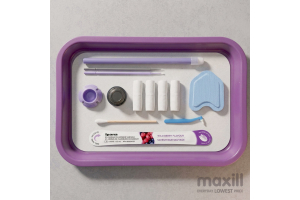
SDF application itself is simple, but the armamentarium around it matters. A thoughtful setup helps the clinician control the material, maintain a dry field, improve visibility and reduce the risk of unintended contact or staining.
The broader clinical workflow remains:
SCREEN. DISPENSE. ISOLATE. APPLY. PROTECT.
But once SCREEN is complete, the chairside setup begins with gathering the right armamentarium.
Start With the Setup Surface
Before dispensing SDF, think about what is sitting between the material and the operatory counter. SilverSense SDF can stain countertops, floors, instruments, clothing and skin brown or black. The Canadian Instructions for Use specifically caution clinicians to avoid spills and
-
October 19, 2026
Silver diamine fluoride (SDF) is an effective, minimally invasive option for managing active carious lesions. It is simple to apply, requires relatively little chairside time, and can be especially valuable when conventional restorative care is difficult, delayed or not immediately feasible. Evidence-based clinical guidance supports 38% SDF as a nonrestorative treatment option for appropriate carious lesions. (Slayton et al., 2018)
Yet SDF still appears to be under-integrated into routine clinical care.
The bigger question may no longer be:
“Does SDF work?”
It may be:
“Are we identifying the right clients for it?”
That is why SDF should begin with caries risk assessment — not with the bottle.
SCREEN. DISPENSE. ISOLATE. APPLY. PROTECT.

-
January 10, 2025
Whether you're wearing traditional metal braces or clear aligners, proper care is essential not only for your comfort but also to ensure the effectiveness of your treatment. In this post, we'll explore some helpful tips for caring for your orthodontics, as well as the tools and aids that can make the process easier and more effective.
Understanding Your Orthodontic Options
Before diving into the care routine, it's important to understand the two main types of orthodontic treatment.
Traditional Braces:
Traditional braces consist primarily of metal or ceramic brackets bonded to your teeth, connected by a wire. These braces work by applying continuous pressure to gradually shift your teeth into alignment.Clear Aligners:
Clear aligners are a series of clear, removable trays that gradually move your teeth. They are a popular choice for adults and teens preferring -
November 22, 2024
When we think about dental health, our minds often jump straight to toothbrushes, toothpaste, floss, and the occasional dental visit. However, one of the most crucial players in maintaining oral health is usually overlooked: saliva. This clear fluid does more than keep our mouths moist; it plays a pivotal role in protecting our teeth, aiding digestion, and overall oral hygiene. In this blog, we’ll take a deeper look into the multifaceted role of saliva, its composition, and the surprising facts about how it impacts our dental health – things that may not be commonly known.
The Composition of
-
November 01, 2024
Halloween is a thrilling time filled with costumes, decorations, and – of course – candy! While the excitement of trick-or-treating can be a wonderful experience for kids, it also brings challenges for dental health. With abundant sugary treats, parents need to adopt effective strategies to keep smiles healthy throughout the Halloween season and beyond.
In this week's blog, we’ll share tips on caring for your teeth after Halloween and ensure that everyone in the family can enjoy their candy safely!
Set a Candy Limit
Before the candy haul begins, it’s wise to discuss a plan with your child. Setting a limit on how much candy they can enjoy each day helps to prevent overindulging. Consider using a fun calendar or chart to keep track of their candy consumption. This way, they can enjoy their t
-
October 11, 2024
Periodontal disease, a chronic inflammatory condition affecting the supporting structures of the teeth, is primarily caused by microbial infection. While traditional mechanical therapies, such as scaling and root planing (SRP), effectively reduce bacterial load and inflammation, they may not fully eliminate the periodontal pathogens, particularly in deeper periodontal pockets. The management of periodontal disease often requires a multifaceted approach that includes mechanical debridement, patient education, and adjunctive therapies. Among these, combination therapy, mainly systemic and local antimicrobials, has gained traction as a strategy to enhance clinical outcomes.
Combination Therapy
Combination therapy is the simultaneous or sequential use of multiple treatment modalities to achieve a synergistic effect. This approach targets
-
October 04, 2024
Chlorhexidine gluconate (CHX) is a widely recognized antimicrobial agent that has made significant strides in dentistry. Known for its effectiveness in combating oral pathogens, this powerful antiseptic agent is utilized for various applications in dentistry, offering numerous benefits to both patients and practitioners. In this blog, we’ll review some key uses of chlorhexidine gluconate in dentistry and how it contributes to better oral health.
What is Chlorhexidine Gluconate?
Chlorhexidine gluconate is a chemical antiseptic that is highly effective against a wide range of bacteria, fungi, and viruses. Its ability to bind to tissues and provide a prolonged antimicrobial effect makes it particularly useful in dental care. Typically available in mouth rinses, gels, and varnishes, chlorhexidine has been embraced as a vital tool for maintaining oral hygiene.
-
September 27, 2024
Welcoming a new baby into the world is an exhilarating experience filled with wonder and joy. As little ones grow, they embark on various developmental milestones, one of which is teething. While this process can be exciting, it may also present challenges, particularly when it comes to eruption cysts. In this blog, we’ll explore what eruption cysts are, how they affect infants, and what both parents and dental professionals should know to navigate these situations.
What are Eruption Cysts?
Eruption cysts are fluid-filled sacs that form in the soft tissue of the gum as a tooth is about to emerge. Typically associated with primary (baby) teeth, these cysts often develop over the crowns of erupting teeth in infants and toddlers.
-
September 13, 2024
As new parents, you may find yourselves filled with excitement as you anticipate your infant’s milestones: their first steps, first words, and undoubtedly, their first tooth! However, it’s essential to understand that oral care should begin even before those tiny pearly whites make their grand debut. Proper oral hygiene during the early months can significantly impact your child’s dental health for years to come. In this blog, we’ll explore how to care for an infant’s mouth before teeth emerge, how to navigate the teething phase, the importance of early oral care, and the early warning signs of dental issues.
Oral Care Before Teeth Erupt
The Canadian Academy of Pediatric Dentistry suggests that your child’s oral care should start even before their first teeth appear. Typically, babies don’t begin to get their milk teeth or