

Thyroid Collars In, Lead Aprons Optional: A Look at Health Canada’s Safety Code 30
In 2022, Health Canada updated its recommendations for radiation protection in dentistry through Safety Code 30. One of the notable changes pertains to the use of lead aprons during dental X-ray procedures. While lead aprons have traditionally been a standard protective measure, the new guidelines suggest that their use is optional in certain scenarios. However, the use of thyroid collars remains a critical requirement. This article delves into the rationale behind these changes, the decision-making authority regarding protective measures, and the importance of individualized client care in dental radiography.
Lead Aprons: Optional Use in Routine Dental X-rays
According to the revised Safety Code 30, the routine use of lead aprons for clients during standard dental X-ray procedures is no longer deemed necessary, provided that all other recommendations for limiting radiation exposure are followed (Health Canada, 2022). The rationale is that modern dental X-ray equipment and techniques have significantly reduced radiation doses, making the additional protection from lead aprons less impactful in terms of dose reduction. However, lead aprons may still be used to alleviate client concerns about radiation exposure.
Thyroid Collars: A Mandatory Protective Measure
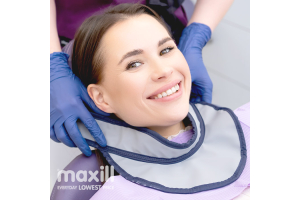
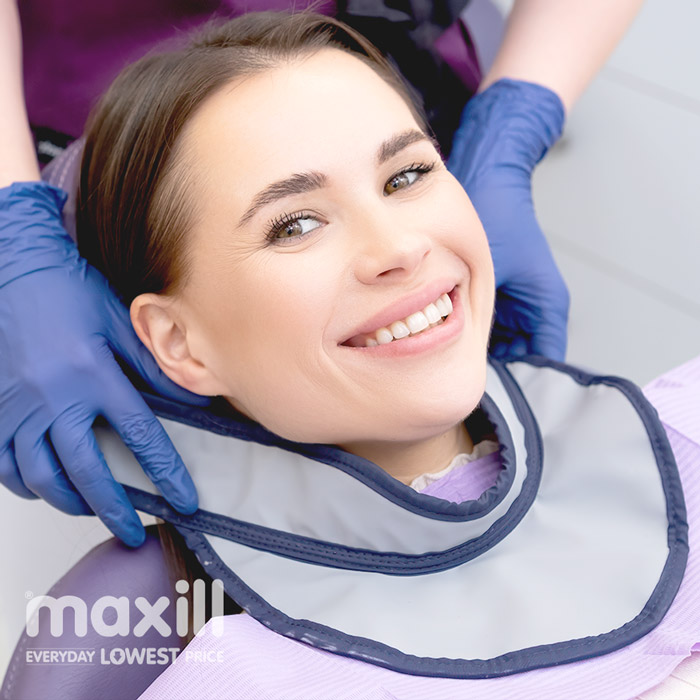
Despite the optional status of lead aprons, the use of thyroid collars remains a mandatory protective measure during dental X-rays. The thyroid gland is particularly sensitive to radiation, especially in children. Therefore, providing a thyroid shield is essential to minimize radiation exposure to this vulnerable area (Health Canada, 2022). The only exception is when the thyroid collar would interfere with the diagnostic quality of the image, such as taking a panorex.
Decision-Making: Clinician's Responsibility with Client Consultation
The decision to use protective measures such as lead aprons and thyroid collars ultimately rests with the dental clinician, guided by the principles outlined in Safety Code 30 and provincial regulations. While client comfort and preferences are important, clinicians are responsible for ensuring that radiation protection measures align with current best practices and regulatory requirements. Engaging in open discussions with clients about the necessity and benefits of protective equipment can help address any concerns and foster informed consent.
Emphasizing the ALARA Principle in Dental Radiography
The ALARA (As Low As Reasonably Achievable) principle is a cornerstone of radiation protection, emphasizing the need to minimize radiation exposure while achieving the necessary diagnostic outcomes. In dental radiography, this means tailoring X-ray examinations to the individual client's needs, avoiding unnecessary exposures, and optimizing imaging techniques to use the lowest radiation dose possible without compromising image quality.
Conclusion
The updated guidelines in Health Canada's Safety Code 30 reflect advancements in dental imaging technology and a nuanced understanding of radiation protection. While lead aprons are now considered optional for routine dental X-rays, the use of thyroid collars remains a critical protective measure. Clinicians are entrusted with making informed decisions about protective equipment, balancing regulatory guidance with client-specific considerations and comfort. By adhering to the ALARA principle and engaging in transparent communication, dental professionals can ensure safe and effective care tailored to each client's needs.
References:
Health Canada. (2022). Radiation protection in dentistry: Recommended safety procedures for the use of dental X-ray equipment – Safety Code 30 (2022). Government of Canada. https://www.canada.ca/en/health-canada/services/environmental-workplace-health/reports-publications/radiation/radiation-protection-dentistry-recommended-safety-procedures-use-dental-equipment-safety-code-30.html

Michelle Aubé (Simmonds) RDH, maxill Dental Hygiene Educator
Michelle is a Dental Hygiene Speaker, Consultant and Educator with over 30 years of experience as a RDH and 4 years as a CDA. She is a professor and curriculum writer at Fanshawe College in both the dental hygiene and continuing education program sharing her knowledge in IPAC, professional practice, periodontal classification, social justice, advocacy and clinical applications. She is maxill's CE and IPAC Director and wears various IPAC hats including auditing federal correctional facilities dental clinics for IPAC standards. Michelle is ODHA's Regional Board Director and authors articles for CDHA's OH Canada professional publication and continues to practice clinically in London ON. She is a CDHO IPAC Remedial Facilitator and IPAC Expert Opinion. Her strong ethics has allowed her to serve on the Discipline Committee at Algonquin College and hold the position of a CDHO Quality Assurance Assessor for 7 years. As a lifelong learner she is completing a BA in Adult Education at Brock University. Her diverse dental background and current status as a practicing RDH offer a fulsome and realistic view of dental-related topics. As a passionate champion for the profession, she advocates for equity, professional autonomy, and systemic change, true grassroots leadership at its finest.
Michelle can be reached at [email protected]
Thanks for reading our latest blog article! If you've got a topic you'd like to see us tackle next, please submit your suggestion to our blog writing team of dental professionals at [email protected].