





Home Page












Lab Tested
tb Minuteman NEX GEN Disinfectant Wipes demonstrate a 1-minute kill time against COVID-19.
Learn More
COVID Resources
Visit our COVID Resource page for a collection of resources to help navigate new regulations.
Learn More
OEM and Private Label Manufacturing
Need large volumes, OEM or private label manufacturing? We've got you covered.
Learn More
Recent Blog Posts
-
Posted: September 09, 2026Categories: Personal Protection and Safety , Patient Health , Professional , Radiography/X-ray , maxill University
 Read more »
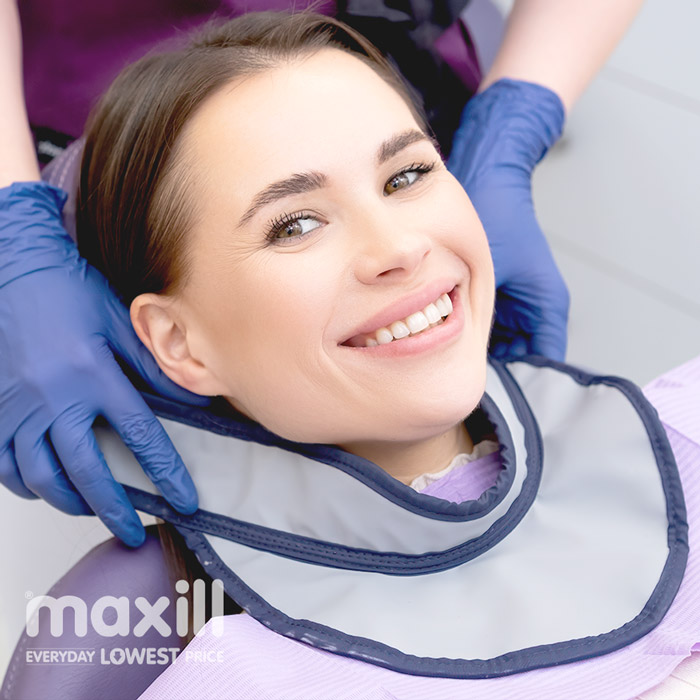
In 2022, Health Canada updated its recommendations for radiation protection in dentistry through Safety Code 30. One of the notable changes pertains to the use of lead aprons during dental X-ray procedures. While lead aprons have traditionally been a standard protective measure, the new guidelines suggest that their use is optional in certain scenarios. However, the use of thyroid collars remains a critical requirement. This article delves into the rationale behind these changes, the decision-making authority regarding protective measures, and the importance of individualized client care in dental radiography.
Lead Aprons: Optional Use in Routine Dental X-rays
According to the revised Safety Code 30, the routine use of lead aprons for clients during standard dental X-ray procedures is no longer deemed necessary, provided that all other recommendations for
-
Posted: August 26, 2026
 Read more »
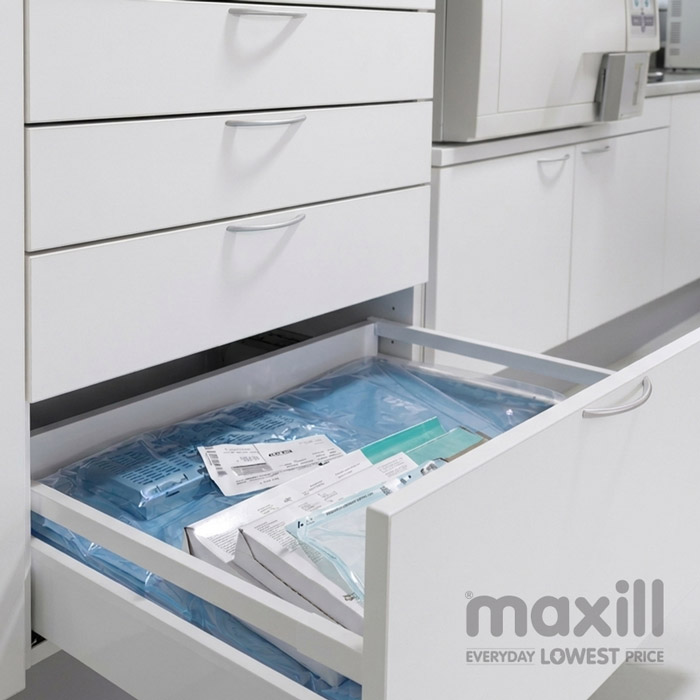
If you’ve ever walked into a sterilization area or supply room and noticed sterile instruments stored in the lowest drawer, bottom cabinet, or on a shelf near the floor, you’re not alone. This is one of the most common “it seems fine” storage habits in dental settings, especially when space is tight.
But here’s the truth… storing sterile instruments at ground level increases risk, even if the instruments are wrapped, even if they’re in a closed drawer, and even if they “aren’t technically touching the floor.” This isn’t just a rule for the sake of rules. It’s a practical, evidence-based risk reduction control that protects sterility, improves workflow, and reduces avoidable reprocessing. Let’s break it down.
The Simple Truth: The Floor Zone Is the Highest-Risk Zone
In every healthcare environment, including dental operatories and sterilization rooms, the floor is where contamination accumulates. That’s because the floor is constantly exposed to:
-
Posted: July 29, 2026
 Read more »
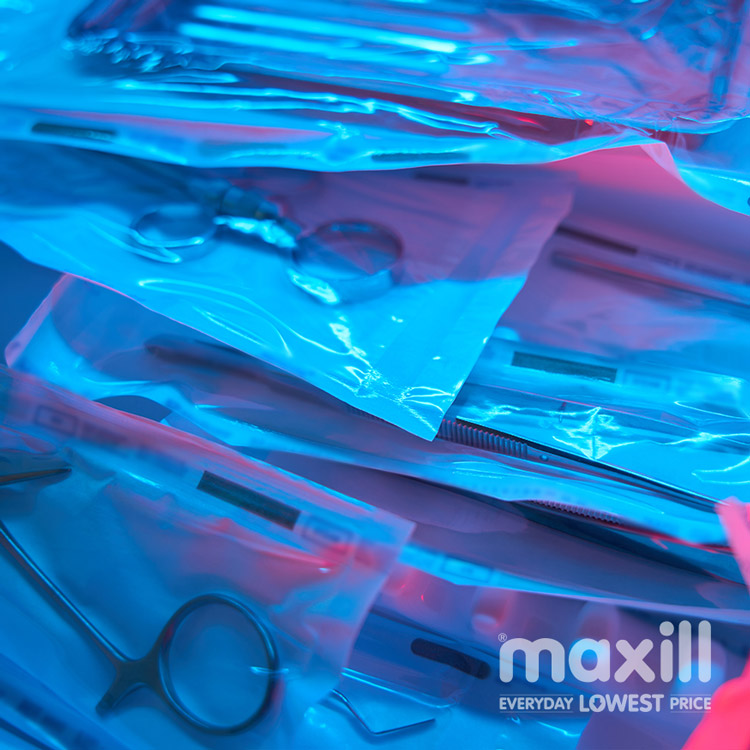
Quarantining instruments after sterilization is an important safeguard in dental practice. Holding instruments until sterilization monitoring results are available, especially biological indicator results, helps prevent the premature release of a failed load.
However, quarantine on its own is not an instrument traceability system. It is one part of a larger system.
Quarantine answers one question: Can this sterilization load be released?
Traceability answers a broader and more defensible question:
Can we prove which instruments were used, on which patient, from which sterilizer and load?
That distinction matters.
Quarantine Is a Release-Control Step
Quarantine is a holding process. It keeps instruments
-
Posted: July 15, 2026
 Read more »
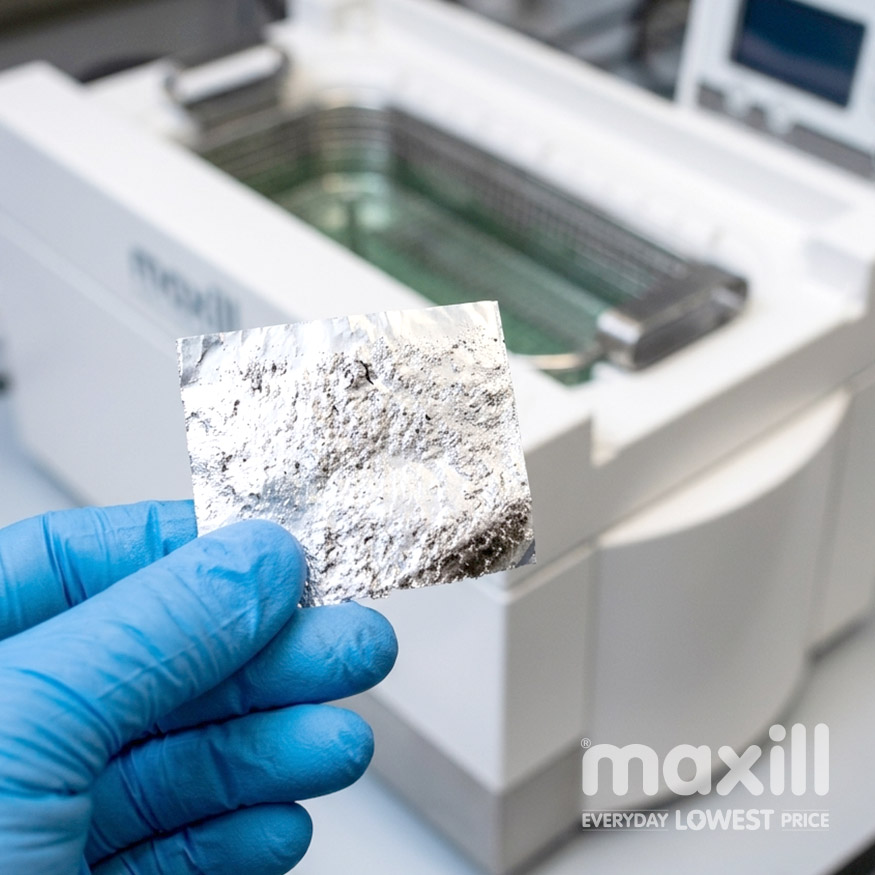
For many years, dental offices have used the foil test as a simple way to check whether an ultrasonic bath was producing cavitation. The process was familiar: place a piece of foil into the ultrasonic cleaner, run the cycle, and look for pitting, marks, or perforations in the foil as a sign that the unit was functioning.
However, current Canadian reprocessing standards have moved beyond this method.
As outlined in CAN/CSA-Z314:23, Canadian Medical Device Reprocessing in All Healthcare Settings, under Clause 11: Decontamination of reusable medical devices, ultrasonic cleaners shall be tested using commercial methods that verify cleaning and functionality daily when the ultrasonic cleaner is used. The standard also notes that foil testing is not a validated testing method.