

maxill's Dental Blog
-
March 13, 2023
Norovirus:
- Is a small non-enveloped virus (27 nanometers); moderately to highly resistant to inactivation
- Worldwide infections number greater than 680 million recorded cases annually, with 200,000 deaths (from 2015 data)
- Is a very persistent virus in the environment (water and environmental surfaces)
-
March 05, 2023
Suppose you ask dental-phobic patients for the main reasons that the thought of dental visit elicits such fear and loathing.
In that case, most will probably respond with feelings related to the potential for anxiety or pain.
This anxiety can stem from genuine unpleasant past dental experiences or unknown potential for pain.
-
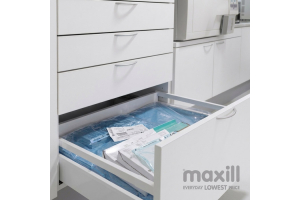
March 05, 2023A dental office reprocessing area must be organized in a one-way workflow to prevent cross-contamination. The one-way workflow is composed of stations that are linked in functionality to one another to finally achieve the end point of reprocessing; sterilization. Each station can only perform the duties of THAT station and can only host the contents of THAT station’s tasks. In ‘common practice’ vs ‘best practice’ reprocessing rooms ...
-
March 05, 2023
A recent study showed that over 90% of dental professionals were feeling stressed. Those who work in the dental industry are probably not surprised to hear this. Working in dentistry has always been identified as a highly stressful profession.
-
March 01, 2023There are two main elements to the reprocessing of a dental bur. First, what does the manufacturer of the bur state to do with the bur? Is it single use or can it be reprocessed? Second, if it can be reprocessed what are the steps from end-to-end use that meet IPAC standards of practice.
-
March 01, 2023Dental Assistants Recognition Week is about showing appreciation to assistants in the dental industry for all their hard work and dedication that has improved the lives of their patients and improved the dental sector overall. DAWR is also a great tie for dental assistants to reflect on their career accomplishments and goals.
-
February 22, 2023
Operating a successful dental practice extends beyond purchasing equipment and supplies. Understanding the nuances of expenses and implementing targeted approaches to reduce costs while increasing profits is pivotal for sustained growth and success.
Understanding Variable Costs and Fixed Expenses
Variable costs, representing 45-55% of a dental office's expenses, encompass various essential elements like payroll, lab fees, expense fees, dental and office supplies, staff CE training, and infection control products. Meanwhile, fixed expenses, constituting 4-7%, encompass recurring overheads such as rent or mortgage, utilities, phone/internet services, dental software subscriptions, and staff health benefits.
Diverse Factors Influencing Costs
-
February 15, 2023
The process of disinfecting is a two-step procedure. First, the surface must be cleaned to ensure all blood, debris, and waste is removed. Second, the surface is disinfected by applying a disinfectant and letting the chemicals activate for the noted contact time to kill all bacteria, viruses and possible fungi present.
-
February 14, 2023
Gloves are the most important part of any medical facility.
Why do dentists choose nitrile gloves? — Disposable nitrile gloves are part of the dental staff’s personal protection equipment (PPE) used when completing exams and procedures. They provide a barrier of protection to the skin, resistance from tears, and durability. Nitrile gloves are produced from hypoallergenic synthetic materials, making them a safe alternative for those with latex allergies.
Latex Gloves vs. Nitrile Gloves
In the past, disposable latex gloves were the standard gloves used in hospitals and dental offices in Canada. That changed several years ago as latex allergies became more common, and nitrile gloves became the alternative.
Latex gloves are
-
February 02, 2023
Chlorhexidine Mouthwash: Enhancing Oral Health
Mouthwash, a vital oral hygiene tool, comes in various types, offering temporary benefits or actively addressing dental concerns. Therapeutic mouthwashes containing chlorhexidine gluconate stand out for their ability to combat plaque, gingivitis, and tooth decay.
Understanding Chlorhexidine Gluconate
Chlorhexidine gluconate, a potent cationic antiseptic, serves as a cornerstone in dental care. With a bisbiguanide base activity and a broad-spectrum antibiotic, it’s method disrupts microbial cell membranes, leading to cell death, and effectively targets a wide spectrum of oral pathogens.