

Why Quarantine Alone Is Not an Instrument Traceability System
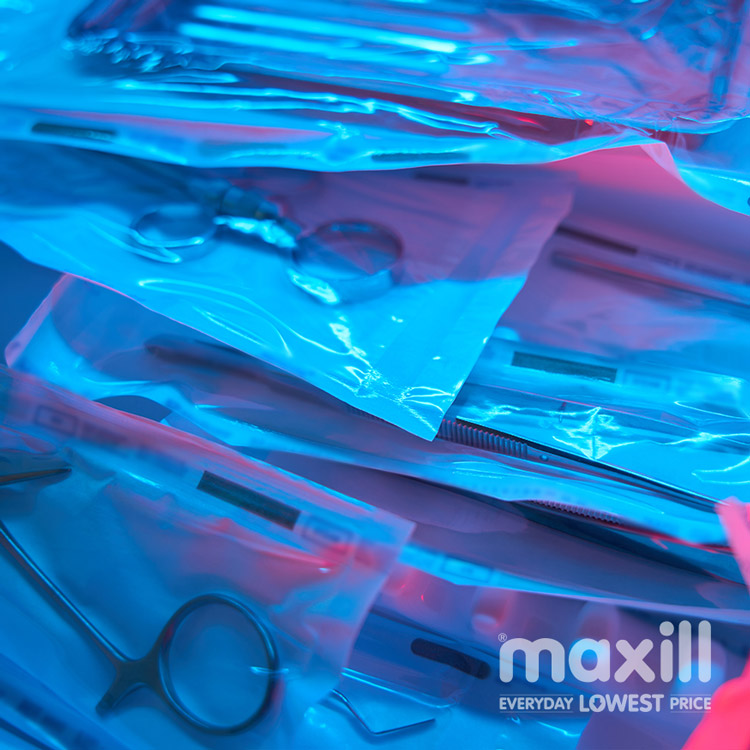
Quarantining instruments after sterilization is an important safeguard in dental practice. Holding instruments until sterilization monitoring results are available, especially biological indicator results, helps prevent the premature release of a failed load.
However, quarantine on its own is not an instrument traceability system. It is one part of a larger system.
Quarantine answers one question: Can this sterilization load be released?
Traceability answers a broader and more defensible question:
Can we prove which instruments were used, on which patient, from which sterilizer and load?
That distinction matters.
Quarantine Is a Release-Control Step
Quarantine is a holding process. It keeps instruments out of circulation until the required release criteria are met. If a biological indicator fails and the office has properly quarantined that load, those instruments should not be released for use.
That is good risk management.
But once the load is released, quarantine has done its job. It does not automatically identify each pouch or cassette, connect that package to a sterilizer and load number, or document which patient received those instruments.
This is where traceability becomes essential.
Traceability Tells the Full Instrument Story
A traceability system connects reprocessing to patient care. It allows the office to follow the instrument journey from sterilization to use.
A complete traceability system should be able to identify:
- which sterilizer was used;
- which cycle or load the package came from;
- the date of sterilization;
- whether the required monitoring results were acceptable;
- which package, pouch, cassette, or instrument set was released;
- and which patient chart that package was connected to.
This information matters not only when a BI fails, but also when there is a wet pack, failed chemical indicator, incorrect cycle selection, sterilizer malfunction, IPAC review, or patient complaint.
For example, if a patient complaint arises, can the office prove which instruments were used on Jane Doe? Can the team identify which sterilizer processed them, which load they came from, and whether that load met the release criteria?
Quarantine alone does not provide that patient-level proof.
What About the Loads That Do Not Have a BI?
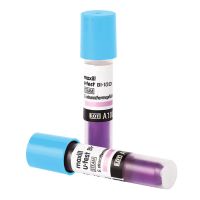
Many dental offices run one biological indicator per sterilizer per day and quarantine that specific load until the BI result is available.
The question then becomes … If only the BI load is quarantined, what about the next four loads processed that day?
Those additional loads may not contain a biological indicator. They may be released based on the office’s required monitoring process, including physical parameters, chemical indicators, package integrity, dryness, and documentation.
However, they still need to be traceable. Quarantine may apply to one specific load, but traceability must apply to every load, every package, and every patient connection. The BI load may be held, but the other loads still require package labelling, load records, and patient chart documentation to support recall readiness and professional defensibility.
Even If Every Load Is Quarantined, Traceability Is Still Required
Even if an office quarantined all instruments for an entire day until the 24-hour biological indicator result was available, traceability would still be required.
In that situation, quarantine may confirm that instruments were not released until the BI result was known. However, it still does not identify which specific package or cassette was used on which patient after release.
The same applies if an office uses a rapid-read biological indicator in every load and quarantines each of those loads until the result is available. That is a strong release-control process, but it is still not a complete traceability system.
Reflection: If Quarantine Alone Was Traceability, Why Bother Labelling Each Package?
If an office firmly believes quarantine alone is enough to replace traceability, then the next logical question is: why bother labelling packages at all?
The answer is that quarantine, labelling, and chart documentation each serve different purposes.
Quarantine is the pause. It holds the load until release criteria are met.
Labelling is the link. It identifies the package and connects it back to the sterilizer, cycle, load number, and date.
Chart documentation completes the chain. It connects the package to the patient who received care.
Without package labelling and chart documentation, the office may know that instruments were held but will not be able to prove which specific package belonged to which load or which patient they were used on.
That is the difference between holding instruments and tracing instruments.
Why This Matters
Treating quarantine as traceability can create a false sense of security. The office may be holding instruments until BI results are available but still be unable to respond confidently if asked to prove the instrument pathway.
In a defensible IPAC program, the office should be able to answer:
- What was processed?
- When was it processed?
- Which sterilizer and load was it in?
- Was the load released appropriately?
- Where did the package go?
- Which patient was it used on?
If the office cannot answer those questions, it has a release-control process, but not a complete traceability system.
The Bottom Line
Quarantine is an important safety step, but it is not the whole system. It helps prevent premature release of instruments, but it does not provide full documentation, recall readiness, patient-level proof, or professional defensibility.

Michelle Aubé (Simmonds) RDH, maxill Dental Hygiene Educator
Michelle is a Dental Hygiene Speaker, Consultant and Educator with over 30 years of experience as a RDH and 4 years as a CDA. She is a professor and curriculum writer at Fanshawe College in both the dental hygiene and continuing education program sharing her knowledge in IPAC, professional practice, periodontal classification, social justice, advocacy and clinical applications. She is maxill's CE and IPAC Director and wears various IPAC hats including auditing federal correctional facilities dental clinics for IPAC standards. Michelle is ODHA's Regional Board Director and authors articles for CDHA's OH Canada professional publication and continues to practice clinically in London ON. She is a CDHO IPAC Remedial Facilitator and IPAC Expert Opinion. Her strong ethics has allowed her to serve on the Discipline Committee at Algonquin College and hold the position of a CDHO Quality Assurance Assessor for 7 years. As a lifelong learner she is completing a BA in Adult Education at Brock University. Her diverse dental background and current status as a practicing RDH offer a fulsome and realistic view of dental-related topics. As a passionate champion for the profession, she advocates for equity, professional autonomy, and systemic change, true grassroots leadership at its finest.
Michelle can be reached at [email protected]
Thanks for reading our latest blog article! If you've got a topic you'd like to see us tackle next, please submit your suggestion to our blog writing team of dental professionals at [email protected].